What to Do If a Taxi Refuses Your Dog
Travelling with a dog should not have to turn into a stressful search for transport. Whether you are heading to the vet, visiting family, travelling to a railway station or beginning an airport journey, discovering that a taxi will not carry your dog can quickly disrupt your plans.
The first thing to understand is that there is an important difference between travelling with an ordinary pet dog and travelling with an assistance dog. Pet policies can vary between taxi and private-hire operators, while assistance dogs are covered by specific legal protections.
If you are travelling with a pet, the simplest way to avoid problems is to book a pet-friendly taxi in advance and explain what you will be bringing. At Ladybird Taxis, advance information helps us understand the number of passengers, the size of your dog, luggage requirements and the type of vehicle that may be most suitable.
Why Might a Taxi Refuse to Carry a Pet Dog?
Not every taxi or private-hire vehicle automatically accepts ordinary pets. Individual operators and drivers may have policies concerning animals, vehicle suitability and cleaning requirements.
A driver may be unable to carry a pet for practical reasons such as limited space, another passenger requirement, vehicle restrictions or concerns about safely accommodating a large animal alongside passengers and luggage.
This is one reason why turning up at a taxi rank or requesting transport at the last minute can be less reliable when travelling with a dog. Pre-booking gives the operator an opportunity to arrange an appropriate vehicle before you need to leave.
Pet Dogs and Assistance Dogs Are Not the Same
It is especially important not to confuse a general pet policy with the rules applying to assistance dogs.
- Pet dog: acceptance can depend on the taxi or private-hire operator’s pet policy and the circumstances of the journey.
- Assistance dog: licensed taxi and private-hire services are subject to specific legal duties, except where a driver holds the appropriate medical exemption.
If your dog is an assistance dog, make that clear when booking or speaking with the driver. Assistance dog users have legal protections that are different from passengers travelling with ordinary pets.
What Should You Do If a Taxi Refuses Your Pet Dog?
If you are travelling with an ordinary pet and a driver says they cannot take the dog, arguing at the roadside is unlikely to improve your journey. Instead, concentrate on finding suitable alternative transport as quickly as possible.
1. Stay Calm and Ask Why
Politely ask whether the refusal is because of the company’s pet policy, the particular vehicle or another practical issue.
The answer may help you find a solution. For example, a smaller vehicle may not have enough room for a large dog, several passengers and suitcases, while a larger MPV may be more suitable.
2. Contact a Pet-Friendly Taxi Service
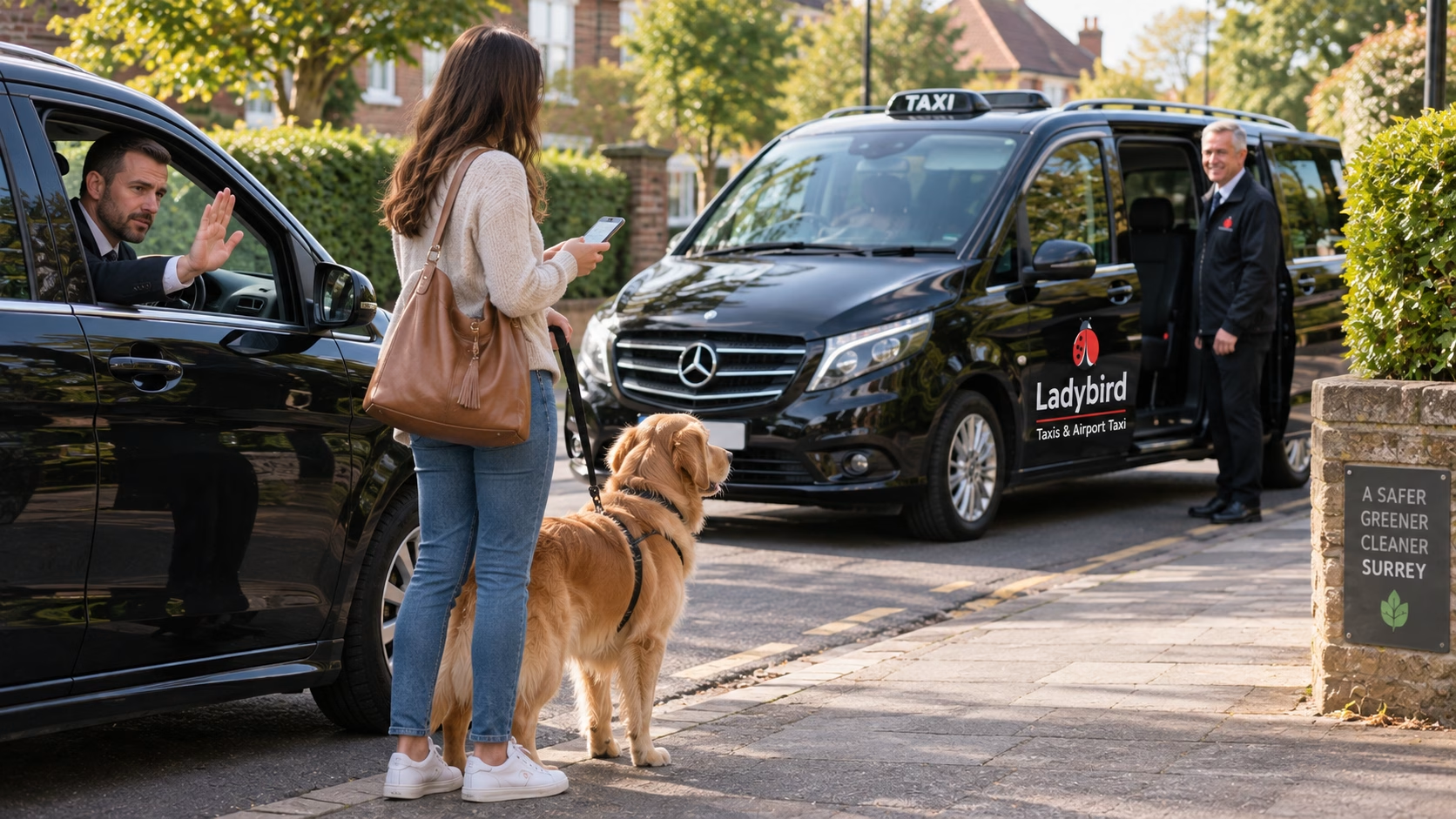
Instead of calling several taxis without mentioning your dog, contact an operator that can discuss pet travel when you make the booking.
Tell the booking team that a dog will be travelling before the vehicle is dispatched. This reduces the risk of a driver arriving and discovering an unexpected animal at the pickup point.
3. Explain the Size of Your Dog
A Chihuahua travelling with one passenger is a very different transport requirement from a large dog travelling with a family, several suitcases and a pet crate.
When arranging your journey, provide useful information such as:
- the approximate size of your dog;
- the number of passengers;
- whether you are using a crate or carrier;
- how much luggage you have;
- whether you need an MPV or larger vehicle;
- your pickup and destination; and
- the required pickup time.
Accurate information makes it easier to arrange a practical vehicle from the beginning.
4. Ask Whether Another Vehicle Is Available
If one vehicle is unsuitable, that does not necessarily mean the taxi company cannot help. Ask whether another driver or a larger vehicle can accept the journey.
This can be particularly useful for families travelling with a medium or large dog, pet equipment and airport luggage.
5. Allow Extra Time
If you need to arrange replacement transport, allow extra time wherever possible. This is particularly important for journeys to airports, railway stations, veterinary appointments and other time-sensitive destinations.
Pre-booking remains the best way to reduce this risk.
What If Your Assistance Dog Is Refused?
The situation is different if you are travelling with an assistance dog.
Under UK rules applying to licensed taxis and private-hire vehicles, drivers are generally required to carry assistance dogs accompanying disabled passengers and must not charge an additional fee for carrying the dog. A driver can be exempt in certain circumstances where the relevant licensing authority has issued a medical exemption.
If a driver refuses an assistance dog, first check whether the vehicle displays an applicable exemption notice. If there is no relevant exemption and you believe the refusal was because of your assistance dog, record as much information as you reasonably can.
- Taxi or private-hire vehicle registration number
- Driver or licence details, if visible
- Operator name
- Date and approximate time
- Pickup location
- Booking reference, if applicable
- A brief description of what happened
You can then contact the taxi licensing authority responsible for the driver or operator and explain what happened.
Important: Ordinary pet dogs and assistance dogs are treated differently. A general “no pets” policy should not automatically be applied to an assistance dog where the legal assistance-dog duties apply.
How to Avoid a Taxi Refusal When Travelling with a Dog
A little preparation can make pet-friendly taxi travel considerably easier.
Tell the Taxi Company About Your Dog When Booking
Do not wait until the driver arrives. Tell the operator you are bringing a dog while making the reservation.
For online bookings, add the information to any available booking notes. If the journey involves unusual requirements, speaking directly with the operator can also help.
Choose the Right Vehicle

Vehicle choice matters when dogs, passengers and luggage must all travel together comfortably.
A standard saloon may be suitable for a passenger with a small dog and limited luggage. Families with larger dogs, crates, pushchairs or airport suitcases may require an MPV or larger vehicle.
Bring a Lead or Suitable Carrier
Your dog should remain under control during pickup, the journey and drop-off. Smaller dogs may travel more comfortably in an appropriate carrier, while larger dogs should be kept securely controlled according to the arrangements agreed for the journey.
Bring a Blanket or Protective Cover
A clean blanket or protective cover can be useful when travelling with a pet, particularly after wet or muddy walks. Keeping the vehicle clean helps make pet-friendly travel easier for everyone.
Plan for Your Dog’s Comfort
For longer journeys, consider when your dog was last exercised, fed and given an opportunity for a toilet break. Bring water when appropriate and avoid creating unnecessary stress immediately before departure.
Pet-Friendly Taxi Travel to the Vet
Veterinary appointments are one of the most common reasons pet owners may need transport with a dog.
If you do not have access to a car, a pre-arranged pet-friendly taxi can provide door-to-door transport between your home and the veterinary practice.
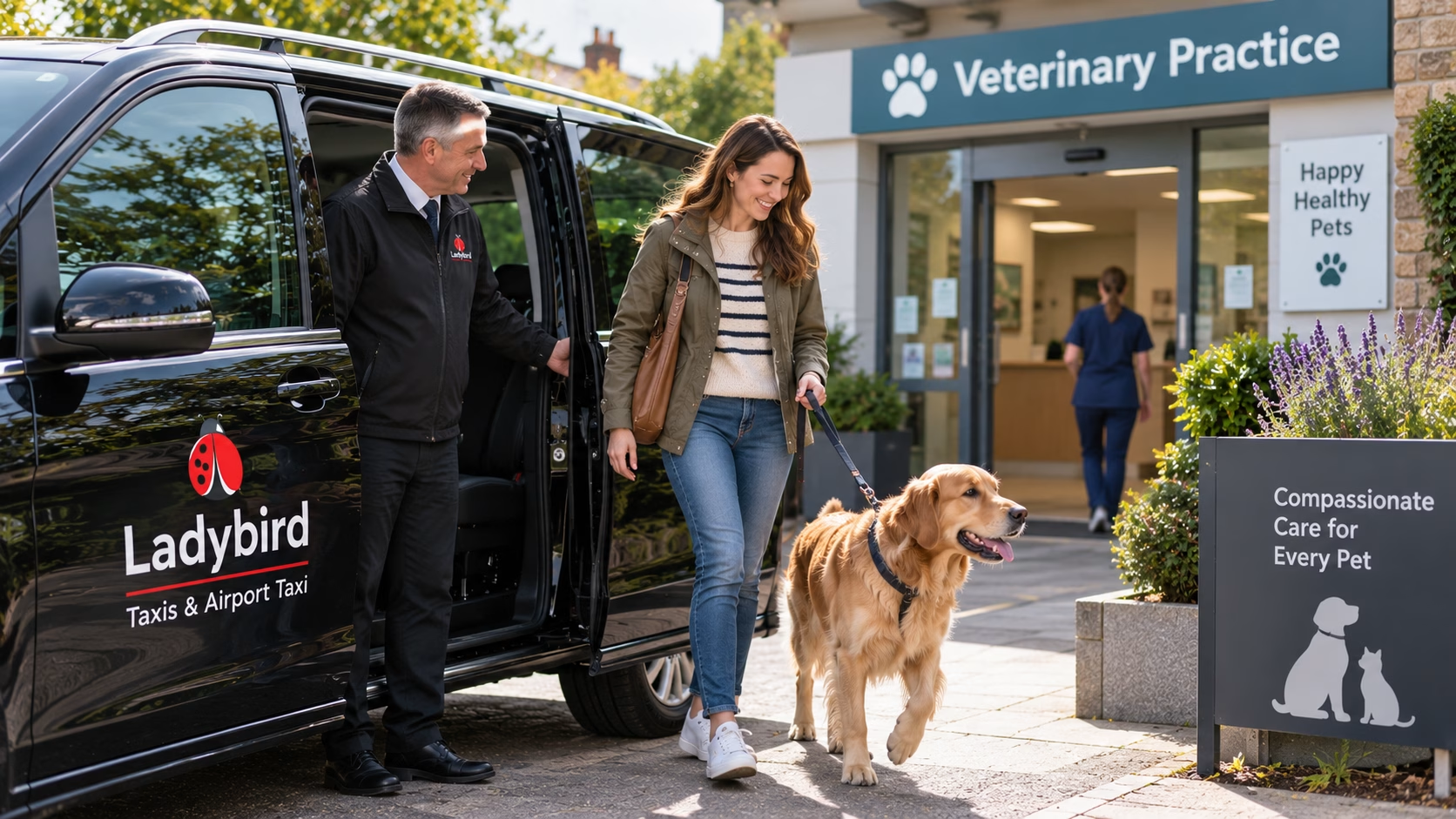
When booking, mention whether your dog is anxious, elderly or travelling in a crate. You should also explain if another person will be accompanying you or if additional space may be required.
If the appointment involves an emergency, contact the veterinary practice first and follow its advice about transporting the animal safely.
Travelling to an Airport with Your Dog
Airport journeys require more planning because you are likely to have considerably more luggage than you would for a normal local taxi trip.
For a pet-friendly airport transfer, tell the operator:
- which airport and terminal you are travelling to;
- how many passengers are travelling;
- the number and approximate size of suitcases;
- the size of your dog;
- whether you have a travel crate or carrier; and
- any additional pet equipment you need to transport.
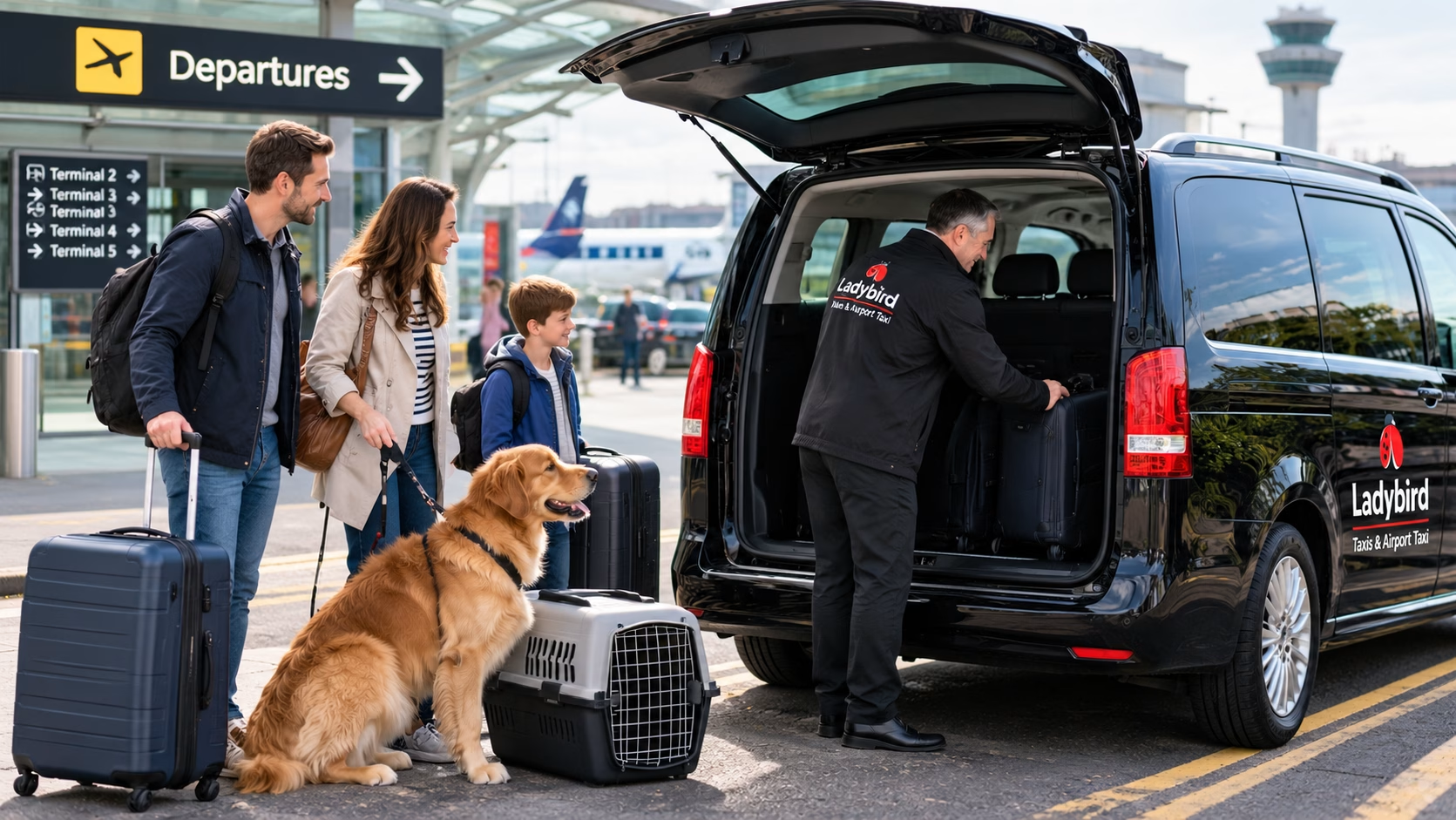
This information helps determine whether a saloon, estate, MPV or larger group vehicle may be required.
Pet owners travelling from Surrey or Hampshire to Heathrow, Gatwick, London City, Luton, Stansted or another airport should also separately check the airline, airport and destination-country requirements for their animal. A pet-friendly taxi booking only covers the road transport part of the journey.
Can You Travel with a Large Dog in a Taxi?
Potentially, but advance booking becomes even more important.
A larger dog takes up more vehicle space and needs to travel alongside passengers, luggage and possibly a carrier or other equipment. A standard car that would normally be suitable for two passengers may therefore not be the best option.
Explain the dog’s approximate size rather than simply saying that you have “a dog”. This gives the booking team far more useful information when considering vehicle capacity.
What About More Than One Dog?
If you need to travel with two or more pet dogs, always mention the number of animals before confirming your journey.
The operator will need to consider both passenger capacity and the safe amount of space available. Depending on the dogs, luggage and number of passengers, a larger vehicle may be more appropriate.
Why Pre-Booking a Pet-Friendly Taxi Makes a Difference
Searching for a taxi while standing outside with a dog can create unnecessary uncertainty. Pre-booking lets you discuss your requirements before the journey begins.
- You can tell the operator about your dog in advance.
- You can explain the dog’s approximate size.
- You can request enough room for passengers and luggage.
- You can arrange an appropriate pickup time.
- You reduce the possibility of an unsuitable vehicle arriving.
- You can plan airport and long-distance journeys more confidently.
This is particularly helpful for passengers travelling with dogs from areas across Surrey and Hampshire where finding a suitable vehicle at short notice may not always be convenient.
Pet-Friendly Taxi Travel with Ladybird Taxis
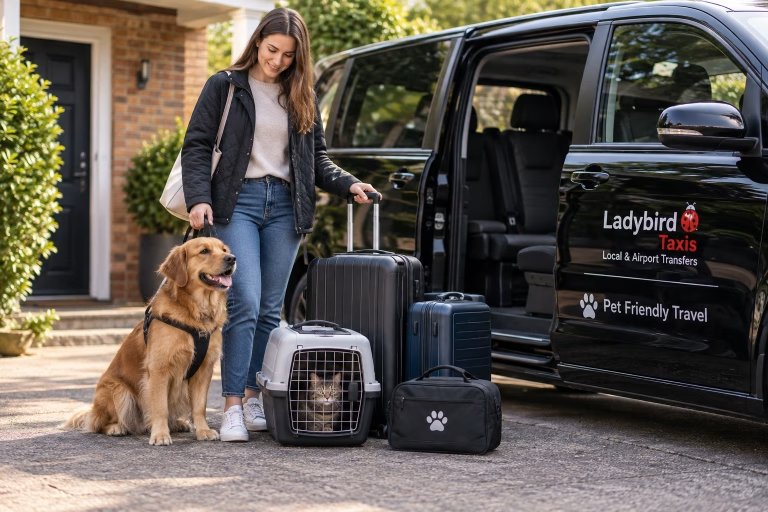
Ladybird Taxis & Airport Taxi can help passengers plan journeys where a pet will be travelling with them. Whether you need local transport, a veterinary appointment journey or a longer airport transfer, telling us about your dog when booking allows us to consider your requirements before pickup.
When arranging your journey, let us know about your pet, passenger numbers and luggage so the booking can be planned appropriately.
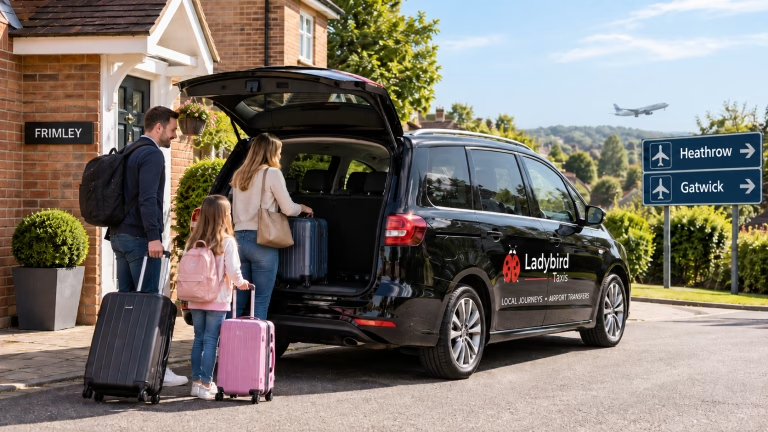
For airport trips, booking ahead is especially useful because a dog, travel crate and several suitcases can require significantly more room than a normal passenger journey.
Planning a journey with your dog? Tell Ladybird Taxis about your pet when making your reservation so we can understand your passenger, luggage and vehicle requirements before the day of travel.
Frequently Asked Questions
Can a taxi refuse my pet dog?
Policies for ordinary pet dogs can vary between taxi and private-hire services. For this reason, it is best to tell the operator about your pet and confirm that suitable transport can be provided before the journey.
Can a taxi refuse an assistance dog?
Licensed taxi and private-hire drivers are generally subject to specific legal duties relating to assistance dogs. There are limited circumstances in which a driver may hold an authorised medical exemption. If you believe an assistance dog has been unlawfully refused, you can contact the relevant local taxi licensing authority.
Should I tell the taxi company about my dog before booking?
Yes. For ordinary pets, informing the company in advance is one of the most effective ways to prevent problems at pickup and helps the operator consider an appropriate vehicle.
Can my dog travel with me to Heathrow or Gatwick?
A pet-friendly road transfer can be arranged where suitable, but you should also check all airline, airport and animal travel requirements separately. Tell the taxi company how many passengers, suitcases and pet carriers will be travelling.
Do I need a larger taxi when travelling with a dog?
Not always. It depends on your dog’s size, passenger numbers, luggage and whether you are using a crate or carrier. Larger families and airport travellers may benefit from an MPV or larger vehicle.
What should I do if my booked taxi arrives but will not take my pet?
Contact the operator and explain that your booking included a pet. Ask whether an alternative pet-friendly vehicle can be arranged. For future journeys, make sure the animal is clearly noted as part of the reservation.
Final Thoughts
Having a taxi refuse your dog can be frustrating, but the easiest solution for ordinary pet travel is usually preparation. Choose a pet-friendly taxi service, mention your dog when booking, provide accurate information about its size and make sure the vehicle has enough capacity for everyone travelling.
If you use an assistance dog, remember that different legal protections apply. A normal pet policy should not simply override the duties that licensed taxi and private-hire services have towards assistance dog users.
For pet owners across Surrey and Hampshire, planning ahead can make trips to the vet, railway station, airport or another destination considerably easier for both passenger and dog.