Pet Travel Checklist Before Your Airport Transfer
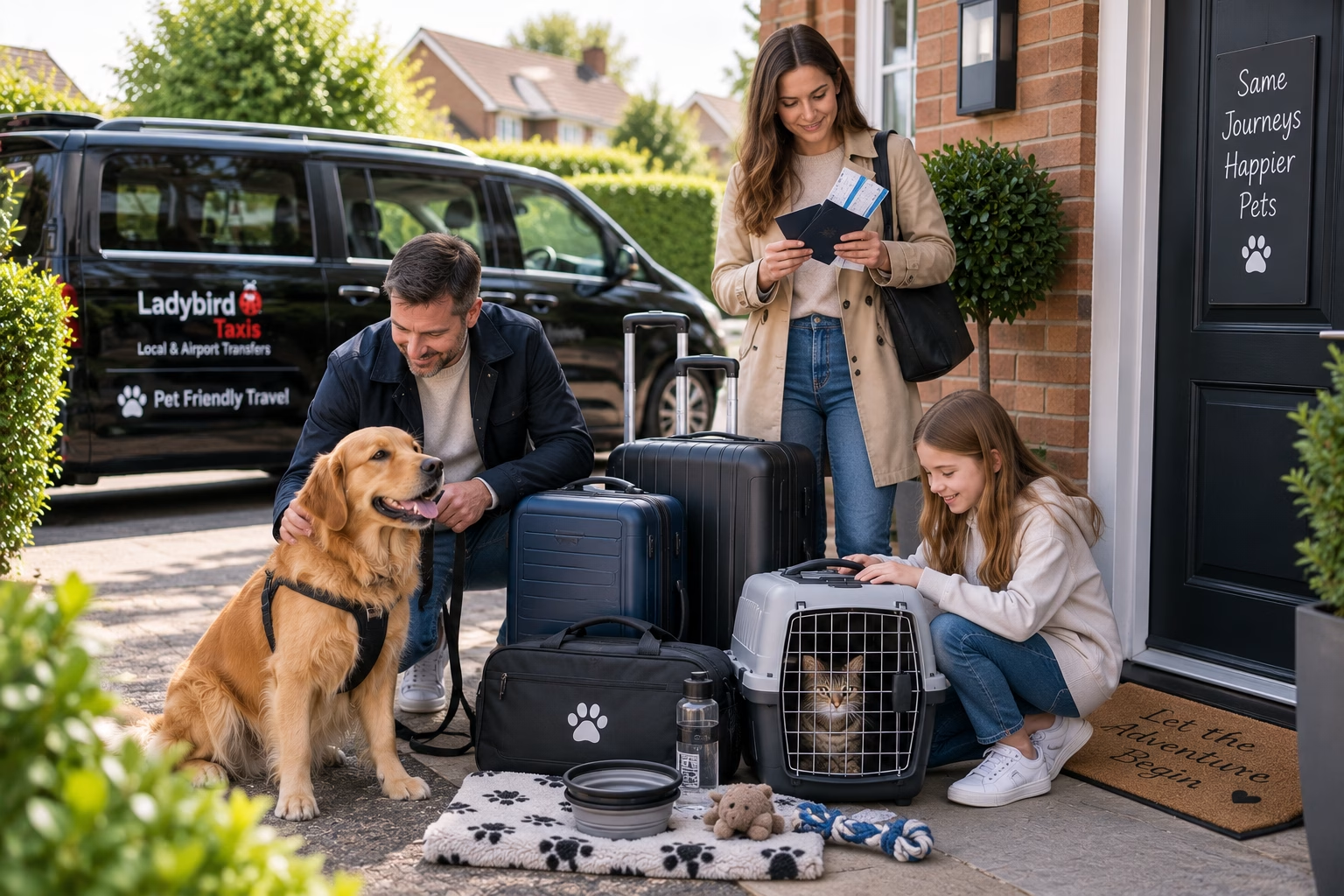
Travelling to the airport with a cat, dog or another suitable companion animal takes a little more planning than an ordinary airport journey. Alongside passports, suitcases and flight details, pet owners may need to think about carriers, leads, travel documentation, food, water, medication and the amount of space required inside the vehicle.
A well-organised journey can make the trip more comfortable for both you and your pet. Preparing everything before your airport taxi arrives also helps reduce last-minute stress and gives you more time to focus on the onward flight.
This practical pet travel checklist covers the main things to prepare before your airport transfer and explains how pre-booking a suitable pet friendly taxi can help make the first stage of your journey easier.
Quick tip: When booking your airport transfer, tell the taxi company that you will be travelling with a pet, what type of animal you are bringing, whether you have a carrier or crate, and how much luggage you expect to take.
Why a Pet Travel Checklist Matters
Airport journeys are time-sensitive, and travelling with an animal adds several extra details to manage. Leaving everything until departure day can result in forgotten documents, a carrier that does not fit comfortably beside the luggage, or unnecessary stress for an animal that is already experiencing an unfamiliar routine.
A checklist gives you a simple way to organise the journey in advance. It can help you confirm that your pet is ready, your airline requirements have been checked, and your taxi provider knows exactly what kind of vehicle and space you may need.
1. Confirm Your Pet’s Travel Requirements
Before arranging the road journey, check the requirements that apply to your pet’s flight and destination. Different airlines, countries and routes may have different rules regarding pets, carriers, travel documents and check-in procedures.
- Confirm whether your airline accepts your type of pet.
- Check whether your pet travels in the cabin, as checked baggage or through an approved cargo process.
- Confirm the airline’s carrier or crate size requirements.
- Check destination-country entry requirements.
- Confirm whether veterinary documents or other travel paperwork are required.
- Check the airport’s recommended arrival time when travelling with an animal.
Do this well before departure. Airline and destination requirements should always be checked directly with the relevant airline, airport and official authorities because pet travel rules can vary.
2. Prepare the Correct Carrier or Travel Crate
A suitable carrier is one of the most important parts of travelling with a pet. Cats will usually be more secure in a closed carrier, while dogs may require a carrier, crate or another appropriate travel arrangement depending on the journey and airline requirements.
Before departure, check that the carrier is clean, secure and large enough for the animal to sit or rest comfortably according to the relevant travel requirements.
- Check all doors, catches and fastenings.
- Make sure the carrier has suitable ventilation.
- Add an absorbent or washable liner if appropriate.
- Place identification details on the carrier where suitable.
- Check that the carrier can be transported comfortably alongside your luggage.
If you are using a particularly large crate, tell Ladybird Taxis when making your booking so that a suitable vehicle can be considered.
3. Tell Your Taxi Provider About Your Pet in Advance
Do not wait until the taxi arrives to mention that you are travelling with an animal. Advance notice helps the taxi provider understand what you need and reduces the likelihood of space problems on the day.
Useful information to provide includes:
- The type of pet travelling.
- The approximate size of your pet.
- Whether the animal will be inside a carrier or crate.
- The dimensions of any large crate where relevant.
- The number of passengers.
- The number and approximate size of suitcases.
- Whether you are taking additional items such as a pushchair.
- Your airport and terminal if known.
This is particularly important for families or groups travelling with several suitcases because the combination of passengers, luggage and pet equipment may require more vehicle space than an ordinary saloon taxi can provide.
4. Choose a Vehicle with Enough Space
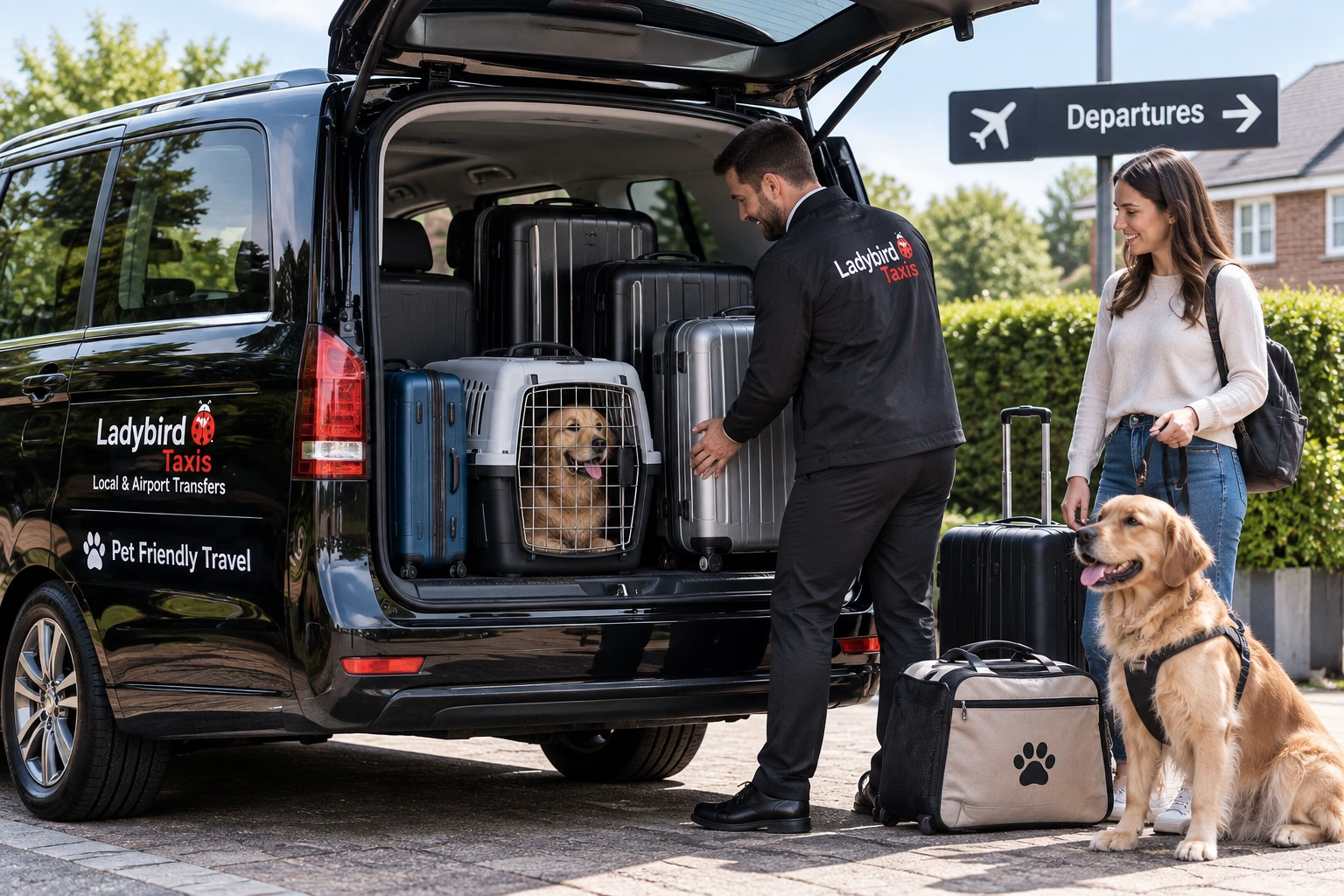
Choosing the right vehicle can make a major difference to the comfort of the journey. A small carrier and one suitcase may fit easily into a standard vehicle, but larger dogs, travel crates, family luggage or several passengers may require an MPV or larger taxi.
Think about the entire load rather than passenger numbers alone. For example, a family of four may also have four large cases, cabin bags and a pet carrier. Although four passengers could technically fit in a smaller vehicle, the luggage and carrier requirements may make a larger option more practical.
Consider These Before Choosing Your Vehicle
- Number of passengers.
- Number of large suitcases.
- Number of cabin bags.
- Pet carrier or crate dimensions.
- Any pushchairs or additional equipment.
- How much separation your pet may need from the luggage.
5. Organise Pet Travel Documents
Keep any required pet documentation somewhere secure and easy to access. Avoid placing essential paperwork at the bottom of a suitcase that has already been loaded into the vehicle.
Depending on your journey, you may need documents connected with identification, veterinary checks, vaccinations or other travel requirements. The exact documents depend on where you are travelling and how your pet is being transported.
A simple document wallet can help keep pet papers together with your own passport and flight information.
6. Pack a Small Pet Travel Bag
Alongside your main luggage, prepare a small bag containing the items your pet could need before reaching the airport or during unexpected delays.
- Lead or harness where appropriate.
- Collar and identification.
- Waste bags.
- Small towel or wipes.
- Water and a suitable portable bowl.
- Any permitted food or treats required for the journey.
- Medication where applicable.
- Spare absorbent carrier lining.
- A familiar blanket or comfort item if appropriate.
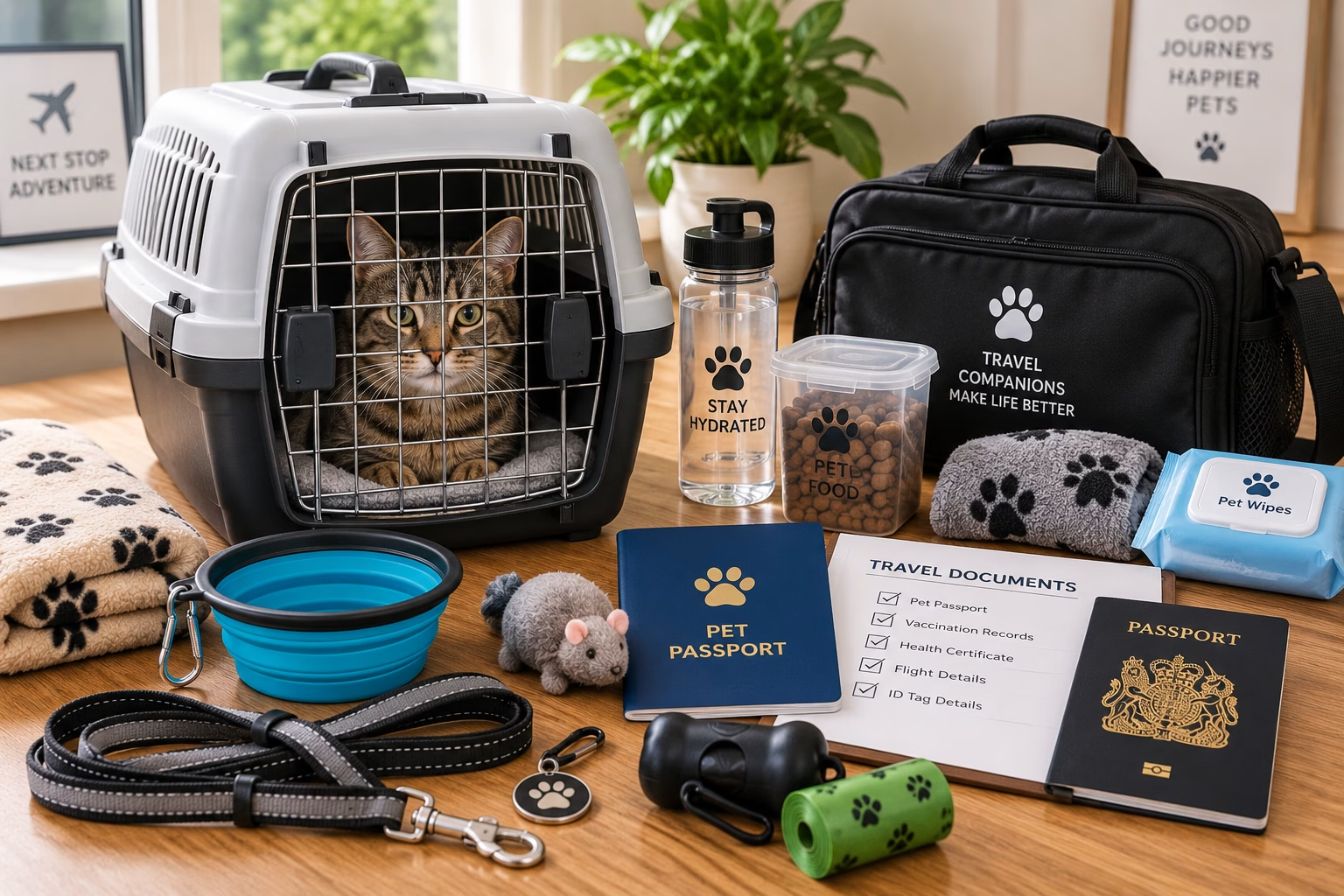
Keep this bag separate from larger checked luggage so that important items remain accessible throughout the road journey.
7. Help Your Pet Get Comfortable with the Carrier
If your cat or dog rarely uses a travel carrier, introducing it only a few minutes before the taxi arrives may make the experience unnecessarily stressful.
Where practical, leave the carrier somewhere familiar before the journey and allow your pet to investigate it. Familiar bedding or a favourite blanket may also help the carrier feel less unfamiliar.
For animals that are particularly anxious about travel, speak with an appropriate veterinary professional ahead of the journey rather than experimenting with unfamiliar products on departure day.
8. Plan Feeding and Water Carefully
Think about your pet’s normal routine and the length of the journey to the airport. You will want your pet to remain comfortable without creating unnecessary problems during transport.
The correct approach can depend on the animal, medical needs, airline requirements and the duration of the overall journey. Where you are unsure about feeding or hydration before a flight, seek guidance from your airline and an appropriate veterinary professional.
9. Give Dogs a Suitable Toilet Break Before Departure
For dogs, a suitable toilet break before getting into the taxi can make the journey more comfortable. This is particularly useful before longer transfers to airports such as Heathrow, Gatwick, Luton, Stansted or London City.
Allow enough time so that this does not become a rushed last-minute task while the driver is waiting outside.
10. Confirm Your Airport and Terminal
Double-check your departure airport, airline and terminal before leaving home. Large airports can have several terminals, and going to the wrong one can cause unnecessary delays.
Where your terminal has been confirmed, include it when booking or updating your airport taxi. If the terminal changes before departure, inform your taxi provider where possible.
11. Allow Extra Time When Travelling with a Pet
Travelling with an animal can involve additional airport processes, so your normal airport departure routine may not be enough.
Check the airline’s required arrival time and then work backwards when deciding when your taxi should collect you. It is usually better to build reasonable time into the journey rather than planning around an extremely tight airport arrival.
Traffic conditions around Surrey, Hampshire, Berkshire and the major London airports can also vary, especially during busy commuting periods.
12. Secure Your Pet Before the Taxi Arrives
Try to have your pet ready before the driver arrives. Cats should normally be safely inside their appropriate carrier, while dogs should be appropriately secured according to the agreed travel arrangement.
Avoid opening carriers unnecessarily beside roads, driveways or busy airport drop-off areas. Airport surroundings can be unfamiliar, noisy and crowded, so maintaining secure control of your pet is important.
13. Keep Important Pet Items with You
Once the vehicle is loaded, make sure the items you may need during the journey remain accessible rather than buried underneath several suitcases.
- Travel documents.
- Lead or harness.
- Water.
- Waste bags.
- Medication.
- Cleaning wipes.
- Any essential airline paperwork.
14. Check Your Home Before Leaving
Airport departures can become hectic, particularly when several family members, suitcases and a pet are involved. Before leaving, perform one final home check.
- Passports and travel documents packed.
- Pet paperwork packed.
- Pet carrier secured.
- Medication packed where required.
- All luggage ready.
- Doors and windows checked.
- Phones and essential chargers packed.
- Airport terminal confirmed.
Pet Airport Transfer Checklist at a Glance
Before Your Taxi Arrives
☐ Confirm airline pet requirements
☐ Check destination entry requirements
☐ Prepare the correct carrier or crate
☐ Tell the taxi company you are travelling with a pet
☐ Confirm passenger and luggage numbers
☐ Choose a vehicle with enough space
☐ Pack pet travel documents
☐ Prepare lead, harness and identification
☐ Pack water and essential pet supplies
☐ Pack required medication
☐ Give your dog a suitable toilet break
☐ Confirm airport and terminal
☐ Allow additional travel and check-in time
☐ Secure your pet before leaving home
Travelling to Heathrow with a Pet
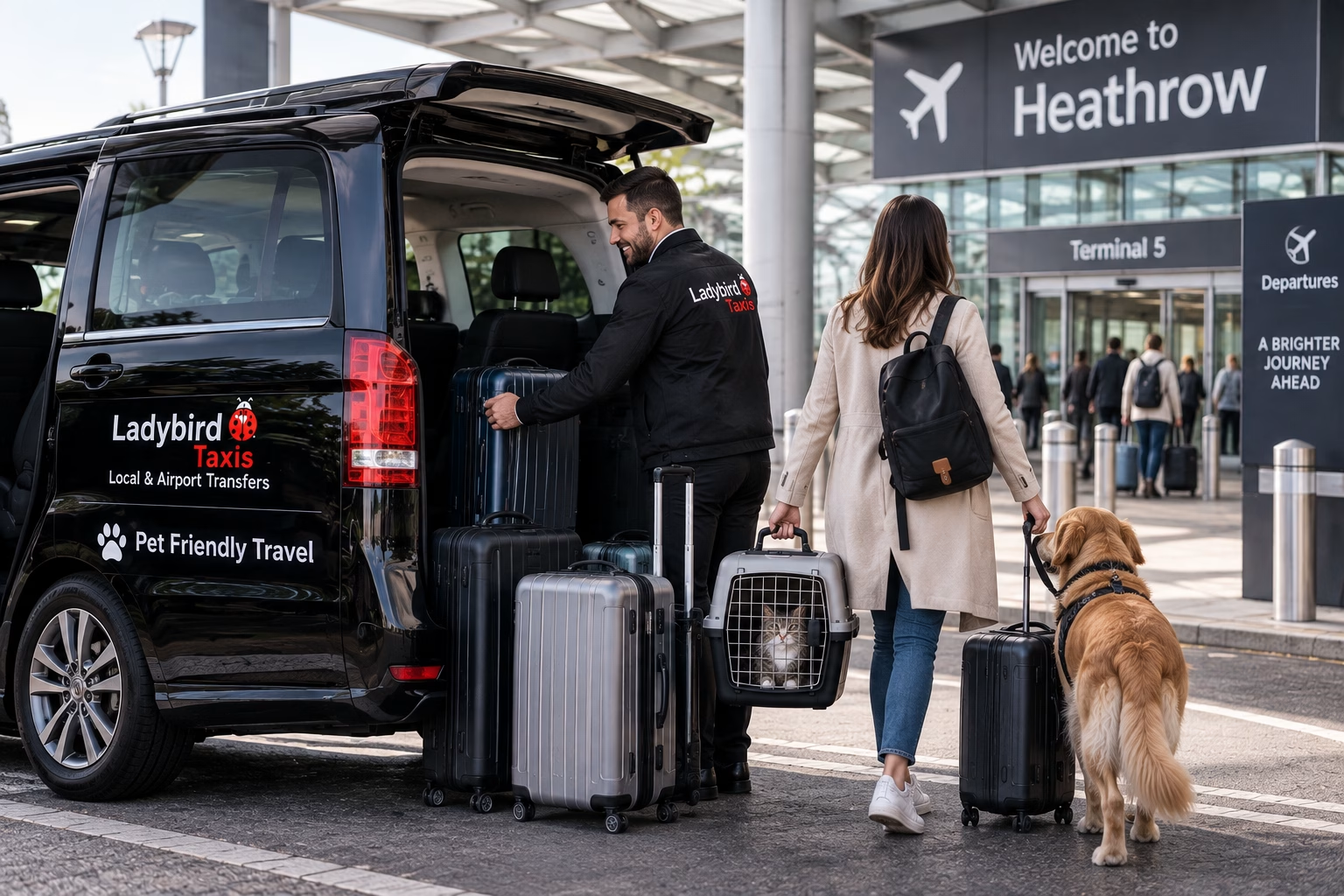
Heathrow is a common departure point for international journeys, and passengers travelling with pets may need to follow specific airline or animal travel procedures.
If you are booking a pet-friendly transfer to Heathrow, provide the terminal when known and allow sufficient time for the journey from your pickup location. Passengers travelling from areas such as Camberley, Farnborough, Frimley, Bagshot, Lightwater, Bisley, Mytchett, Deepcut and surrounding locations can benefit from planning the road transfer in advance.
Travelling to Gatwick with a Pet
Passengers travelling to Gatwick should confirm whether they need the North or South Terminal and check the relevant airline arrangements for their animal.
A pre-booked taxi can provide a direct home-to-airport journey, avoiding the inconvenience of moving a carrier, pet equipment and several suitcases between different forms of public transport.
Why a Pre-Booked Pet-Friendly Taxi Can Help
Public transport can be manageable for some pet journeys, but it may involve stations, changes, escalators, busy platforms and additional handling of luggage and carriers. A pre-arranged taxi gives you a direct journey from your pickup address to the airport.
Pre-booking also gives you an opportunity to explain your requirements beforehand. This is especially useful if you are travelling with a larger dog, a substantial crate, multiple family members or several suitcases.
Benefits Can Include
- Direct pickup from your home, hotel or another agreed address.
- No need to change between trains, buses and stations.
- Vehicle selection based on passenger, luggage and pet requirements.
- More convenient handling of carriers and travel crates.
- Pre-arranged airport drop-off.
- A clearer departure schedule for the family.
Choosing the Right Pet-Friendly Taxi
The best vehicle depends on your individual journey. A single passenger with a cat carrier and one suitcase will have very different requirements from a family travelling with a large dog, several suitcases and additional equipment.
When arranging your journey with Ladybird Taxis, provide as much information as possible. This allows the booking to be considered around the actual space you require rather than simply the number of passengers travelling.
Pet-Friendly Airport Transfers Across Surrey and Hampshire
Ladybird Taxis provides pre-booked local and airport transfer options across parts of Surrey, Hampshire and surrounding areas. Pet-friendly journeys can be discussed when booking, including transfers to major airports such as Heathrow, Gatwick, Luton, Stansted and London City Airport.
Whether you are travelling with a cat in a secure carrier, a dog with the appropriate travel equipment or a family pet alongside several passengers and suitcases, advance planning makes it easier to choose an appropriate vehicle for the journey.
Frequently Asked Questions
Can I take a cat in an airport taxi?
Pet-friendly taxi journeys can often be arranged when discussed in advance. Cats should generally travel in a secure and suitable carrier. Always tell the taxi provider about the cat when making your booking.
Can I take a dog in a taxi to the airport?
Pet-friendly airport transfers for dogs may be arranged depending on the journey and vehicle requirements. Tell the provider your dog’s approximate size and any carrier, crate or equipment requirements when booking.
Should I tell the taxi company that I have a pet?
Yes. Advance notice is important because the pet, carrier, passenger numbers and luggage can affect the type of vehicle required.
What vehicle should I book for a pet airport transfer?
This depends on the size of the carrier or crate, the number of passengers and the amount of luggage. An MPV or larger taxi may be more suitable when travelling with substantial luggage or a larger pet crate.
How early should I arrive at the airport with a pet?
Check directly with your airline because procedures and recommended arrival times can differ when travelling with animals. Once you know the required airport arrival time, allow appropriate road journey time when arranging your pickup.
Can I book a pet-friendly taxi to Heathrow or Gatwick?
Ladybird Taxis can discuss pre-booked pet-friendly airport transfers to Heathrow, Gatwick and other major airports. Provide your pet, passenger and luggage details when making the booking so that suitable transport options can be considered.
Final Pet Travel Checklist
A smooth airport journey with a pet starts well before the vehicle arrives. Confirm the airline requirements, prepare a suitable carrier, organise travel documents, pack essential pet supplies and make sure your taxi provider understands exactly what you are bringing.
Most importantly, consider the complete combination of passengers, luggage and pet equipment when choosing your vehicle. Giving this information at the time of booking helps make the transfer more organised and comfortable.
For passengers across Surrey, Hampshire and surrounding areas, Ladybird Taxis can provide pre-booked airport transfer options for pet owners travelling to Heathrow, Gatwick and other major London airports. Mention your pet when booking so the journey can be planned around your requirements.